Electric mobility continued to grow in the second quarter of 2026, both in Germany and across Europe, with rising demand in the new and used car markets.
In April 2026, 64,350 electric passenger cars were registered, representing a 41.3% increase compared to the same month the previous year. As a result, electric vehicles achieved a market share of 25.8% 1. High figures were also recorded in May: with 59,969 newly registered fully electric passenger cars, the increase was 39.3% compared to the same month the previous year, resulting in a market share of 25% 2.
In May, it was announced that the new electric vehicle purchase incentive would apply retroactively to all registrations dating back to January 20263. The current high number of new registrations may already reflect the initial effects of this incentive. As of June 2, 41,772 applications had been counted, more than 90% of which were for fully electric cars 4.
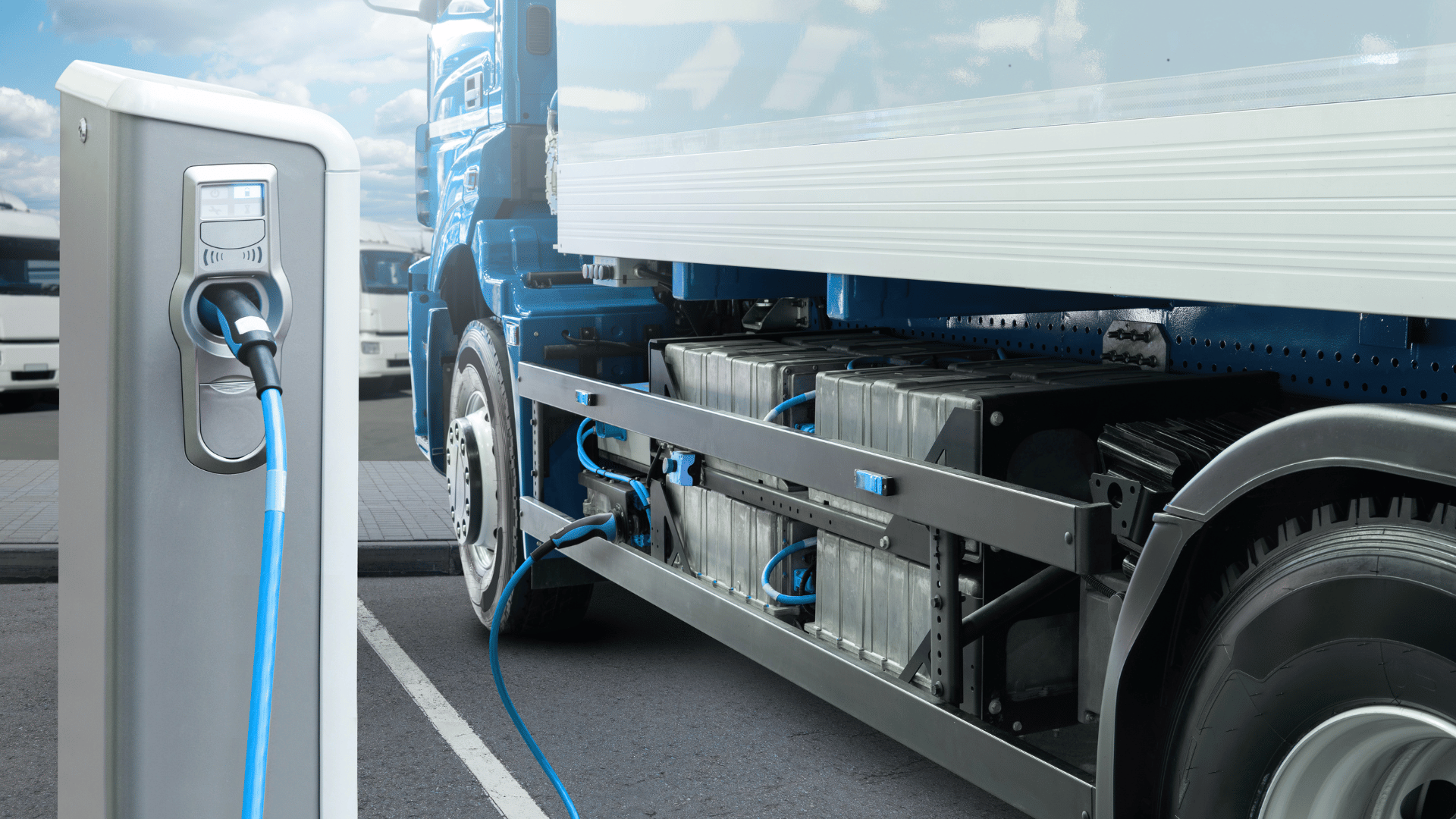
Not only is the number of electric passenger cars continuing to grow steadily, but an increasing trend toward electrification is also evident among commercial vehicles in the EU. Looking back at the registration figures for the first quarter, the share of electric vans rose by 42%, reaching a market share of 12%. The number of electric trucks rose by 40.1%, reaching a market share of 3.5%. Electric buses also saw an increase: the number of new registrations rose by 36%, reaching a market share of 20% 5 .
Europe is investing in the expansion of electric mobility
From January through May, 950,521 new electric cars were registered in the EU. This brought the market share to 20%. The three countries with the most new registrations – Italy, France, and Germany – all posted strong growth figures. Germany ranked third with a 40.9% increase6 .
Several countries in the EU Economic Area and Switzerland have pledged a total of 200 billion euros in investments for the electric vehicle ecosystem. Of this amount, 109 billion euros are to be allocated to the battery supply chain, 60 billion euros to electric vehicle manufacturing, and approximately 23–46 billion euros to public charging networks. Germany accounts for nearly a quarter of these investments and is thus, according to experts, one of the most important players in the European electric mobility sector 7.
Charging Infrastructure and Used Car Market Show Positive Trends
Charging infrastructure in Germany also continues to grow. As of May 1, there were 203,951 public charging stations in Germany—a 17% increase from May of last year and 1,833 more than on April 18.
The used car market for electric vehicles has also shown positive development in recent months: compared to last year, the time listings remained on the market has shortened significantly. Demand doubled between December 2025 and April 2026, and the share of listings for electric cars rose from 3.5% to 8% 9.
Conclusion: Positive Trend Continues in the Second Quarter
Overall, the positive trend from the first quarter is continuing. Rising registration figures, growing investment, the expansion of the charging infrastructure, and increasing momentum in the used-car market show that electric mobility is continuing on its growth trajectory in Germany and Europe.
Sources:
3 https://www.zeit.de/news/2026-05/08/bundesrat-gibt-gruenes-licht-fuer-beginn-der-e-auto-praemie
8 https://www.bundesnetzagentur.de/DE/Fachthemen/ElektrizitaetundGas/E-Mobilitaet/start.html